
EARN CREDENTIALS & PROFESSIONAL DESIGNATIONS
-Learning from the Best
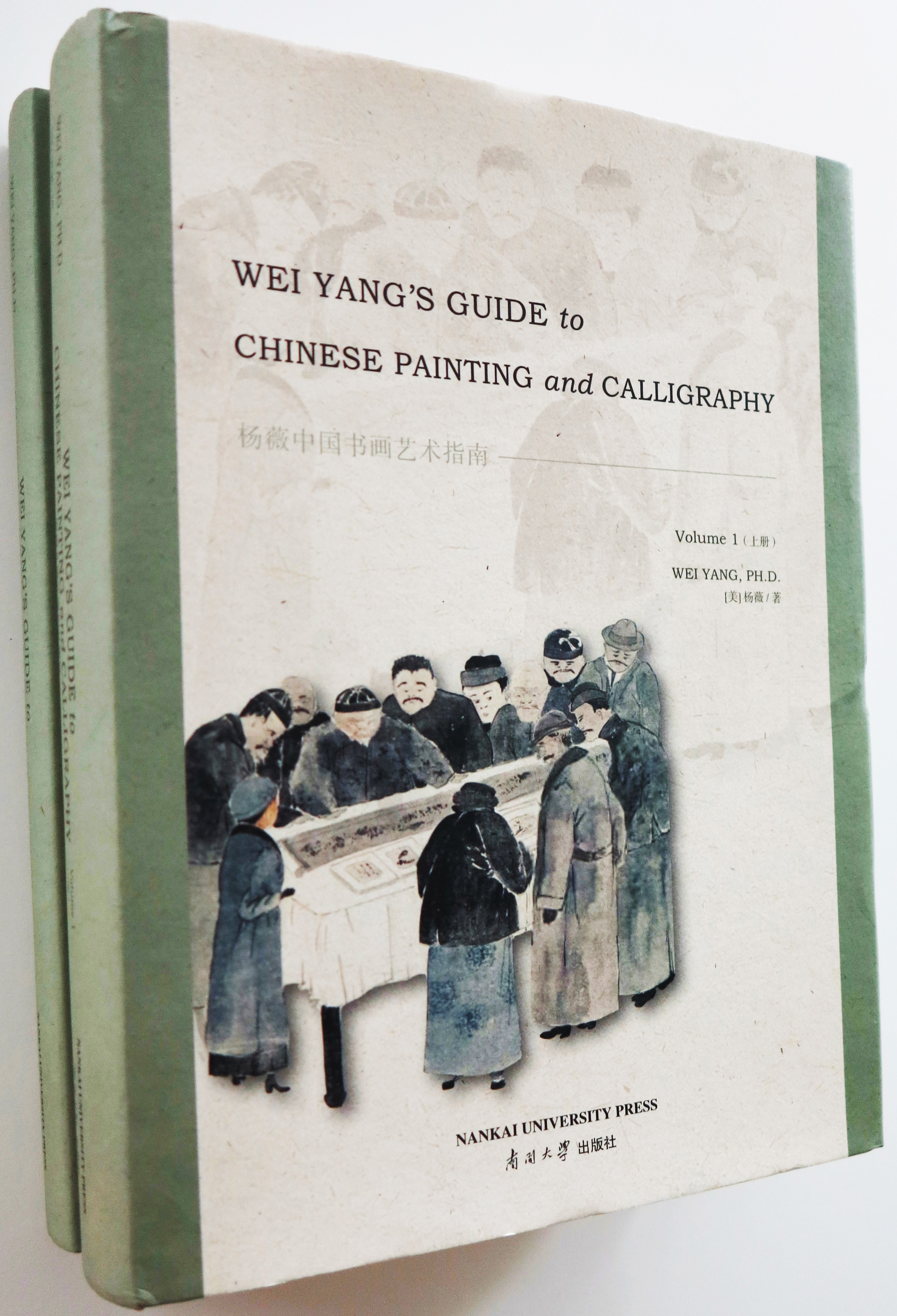
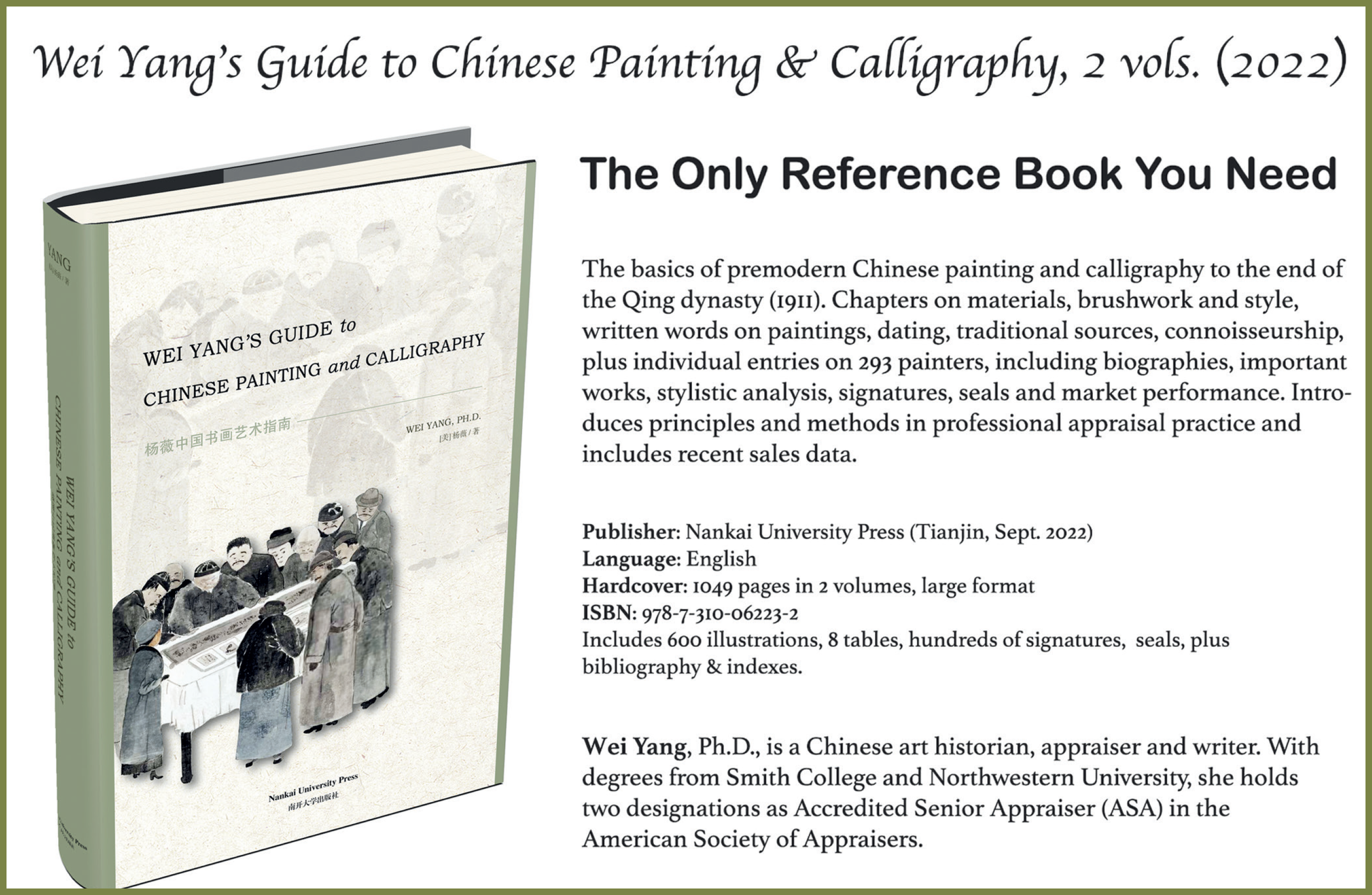
Wei Yang’s Guide to Chinese Painting and Calligraphyis the best reference book on the connoisseurship and valuation of Chinese fine art. It helps anyone who wants to build their credentials in the appraisal of Chinese art. Clients place their trust in appraisers with formal training who have earned official designations. Your compliance with the highest professional standards is essential, including knowledge of Uniform Standards of Professional Appraisal Practice (USPAP) and related ethical codes. Professional designations and courses of study are provided by American Society of Appraisers (ASA), American Association of Appraisers (AAA) and International Society of Appraisers (ISA).
-Following the Guidelines for Evaluating Chinese painting and calligraphy:
The book is designed for you whether you are a novice excited about Chinese art or a professional who wants a comprehensive reference book. I wish there had been such a source when I began my career as an appraiser. I combed through many books in Asian and Western languages for clues to identify Chinese paintings. I studied how to assess the authenticity of inscriptions, signatures and seals. I conducted my own research to understand the biographies of famous painters, their artistic lineages, their personal styles and signature features. After amassing and editing my notes, I filled in the gaps in order to make this a comprehensive guide to Chinese painting and calligraphy prior to the twentieth century.
(Available on Amazon)
Based on My Own Training and Experience
-Practical and Applicable Methods
Wei Yang’s Guide to Chinese Painting and Calligraphy grew out of those years of research and decades of professional experience serving a wide range of clients in the Chinese art field. After my college degree (Smith College) and graduate education (M.A. in Asian art and Ph.D. in Chinese Art History, Northwestern University), I undertook training in the appraisal profession. Eventually, I earned two designations as Accredited Senior Appraiser (in Asian Art and in Appraisal Review and Management) from the American Society of Appraisers. Even after that, however, to study and appraise Chinese painting and calligraphy required still more research.
Wei Yang’s Guide to Chinese Painting and Calligraphy (2022) is the only reference book you need—whether you’re a general reader, a specialist honing your skills or just starting out in the valuation of Chinese fine art (Available on Amazon)
ARTICLE: FIVE MISTAKES
-"Five Mistakes in Appraising Premodern Chinese Paintings," ARM E-Journal 5, no. 1 (2021): 58-62.
Abstract: This article discusses the complexities of traditional Chinese painting, cultural traditions and visual aesthetics. It comments on how to avoid the five most serious errors in assessing the value of classical Chinese paintings. Some of these problems are particular to Chinese painting, but most crop up in other forms of valuation.